Research links common nitrates in water and processed meats to increased dementia risk
10/10/2026 / By Ava Grace

- A large, long-term study links dietary nitrates from processed meats and drinking water to an increased risk of dementia, while nitrates from vegetables are associated with a reduced risk.
- The key difference is the source: vegetables provide antioxidants that help convert nitrates into beneficial compounds, but processed meats and water lack these protective elements, potentially allowing harmful substances to form.
- The research raises a significant public health concern by finding an increased dementia risk from nitrate levels in drinking water at just one-tenth of the current EU/U.K. safety limit.
- The findings reinforce that dementia risk is heavily influenced by lifestyle and environmental factors, not just genetics and underscore the importance of the nutritional context in which we consume compounds.
- The study advocates for a re-evaluation of safety regulations for nitrates in water and reinforces the preventive dietary advice to eat more vegetables and less processed meat.
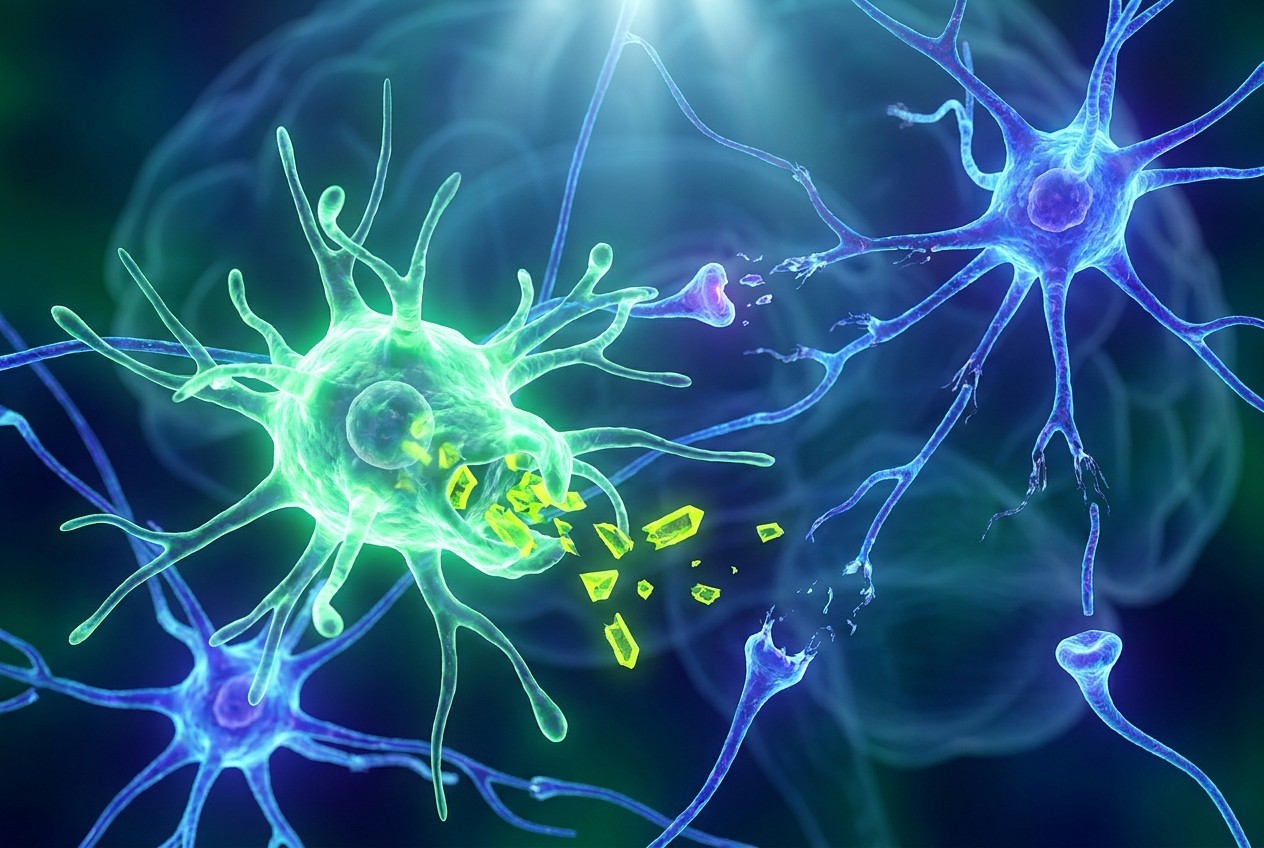
In a finding that challenges long-held assumptions about food and water safety, an international team of scientists has uncovered a troubling link between nitrates—common chemicals found in processed meats and tap water—and an increased risk of developing dementia. The groundbreaking research, conducted by Australia’s Edith Cowan University and the Danish Cancer Research Institute and published in the journal Alzheimer’s & Dementia, suggests that the source of these nitrates is critical, turning a routine dietary component into a potential public health concern. This discovery arrives at a pivotal moment, as nations worldwide brace for a staggering rise in dementia cases, forcing an urgent re-examination of environmental and dietary factors silently shaping our collective brain health.
A decades-long investigation
The study followed a massive cohort of nearly 55,000 Danish adults for up to 27 years. Researchers tracked the participants’ intake of nitrates and nitrites—compounds used to preserve foods like bacon and ham and which also occur in water. The goal was to determine if the source of these compounds influenced dementia risk. The results revealed a stark duality in how the body processes the same chemical from different origins.
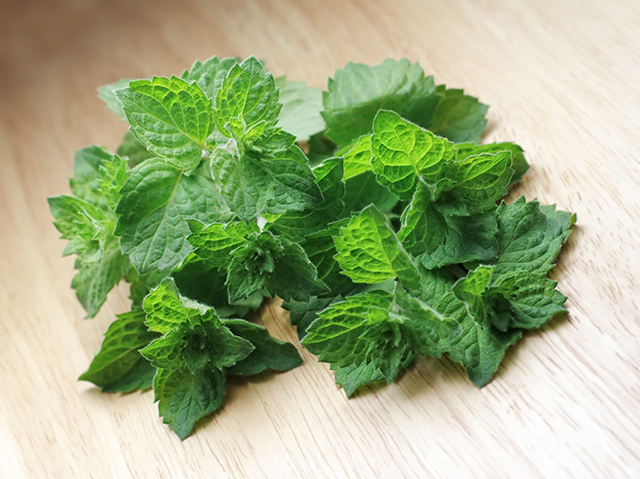
Nitrates are not inherently evil; they are essential for bodily functions and are abundant in healthy vegetables like spinach and beetroot. The study found that people whose diets were rich in nitrates from these plant sources had a lower risk of dementia. Those with the highest intake had roughly a 10 percent reduced risk. This protective effect is attributed to the powerful package deal that vegetables offer: nitrates combined with vitamins and antioxidants.
The protective package of plants
The antioxidants in vegetables act as crucial bodyguards. When we consume plant-based nitrates, these antioxidants help steer the compounds toward forming beneficial nitric oxide and block the formation of harmful substances called N-nitrosamines, which are known carcinogens and are now suspected of damaging brain tissue.
The story changes dramatically when nitrates come from processed meats or tap water. The study concluded that individuals who consumed most of their nitrates from these non-plant sources faced a higher risk of dementia. Processed meats lack protective antioxidants and contain other compounds, like heme iron, which may promote the formation of the very N-nitrosamines that plants help prevent.
A new concern from the tap
Perhaps the most startling finding is the novel link between nitrate levels in drinking water and dementia risk. Nitrates enter water supplies primarily through agricultural fertilizer runoff. Alarmingly, this study observed an increased dementia risk at levels as low as 5 mg/L—one-tenth of the current EU/U.K. regulatory threshold of 50 mg/L. Unlike vegetables, water provides no antioxidants to mitigate the nitrate.
The researchers stress scientific caution. This is an observational study, meaning it can identify associations but cannot definitively prove causation. Other lifestyle factors could play a role. They note that individuals should not stop drinking water, as the increased risk at an individual level is small and water remains far healthier than sugary beverages. However, the public health implications are significant.
A call for regulatory re-evaluation
The core implication is a forceful call to action. The data suggests that long-term, low-level exposure to nitrates from non-plant sources—exposure deemed safe under current regulations—may be undermining brain health on a population scale. The authors recommend that regulatory bodies re-examine safety limits for nitrates in drinking water.
This research fits into a rapidly expanding understanding of dementia not as an inevitable genetic fate, but as a disease profoundly shaped by lifestyle and environment. For the vast majority, genes are not destiny. The study reinforces a fundamental principle: context is everything. A nutrient’s effects are dictated by what accompanies it into the body.
The nitrate dilemma is a legacy of 20th-century advances. Widespread synthetic fertilizers revolutionized food production, and improved water treatment extended lifespans. Now, as populations live longer, the chronic, slow-building consequences of these advancements—like cumulative nitrate exposure—are coming to light.
The path forward: Diet as prevention
For the public, the takeaway is simple and aligns with longstanding wisdom: eat more vegetables and less red and processed meat. This approach harnesses the protective power of whole foods while minimizing exposure to potentially harmful compounds.
“Dementia is a permanent, acquired impairment of intellectual function,” said BrightU.AI‘s Enoch. “It results in a marked decline in areas such as memory, language, personality and cognition. It can be either static or progressive and has many different causes.”
With nearly a million people living with dementia in the U.K. alone—a figure projected to soar to 1.4 million by 2040—the search for modifiable risk factors has never been more urgent. Pharmacological cures remain elusive, making preventive lifestyle measures our most powerful tool. This study shifts the spotlight onto overlooked, ubiquitous elements of our diet and environment, suggesting that safeguarding our cognitive future may require vigilance not just about what we intentionally eat, but about what comes with it, hidden in plain sight.
Watch and learn how processed foods cause anxiety, dementia and early death.
This video is from the FollowerofChrist777 channel on Brighteon.com.
Sources include:
Submit a correction >>
Tagged Under:
dementia, meat, Nitrates, nitrites, prevention, processed meat, remedies, research, Study, vegetables, water
This article may contain statements that reflect the opinion of the author
RECENT NEWS & ARTICLES